What to Check Before Buying a Used BMW in India — The Complete Checklist
A Used BMW Is a Dream — If You Buy It Right
There's a reason BMWs are among the most searched luxury cars in India's pre-owned market. The driving dynamics, the badge, the build quality — it's all there at 40-50% less than a new car's price. But here's the reality: a poorly maintained BMW can turn into an expensive nightmare. Electrical faults, suspension wear, and deferred servicing can cost lakhs in repairs.
The good news? Most of these issues are detectable before you buy — if you know what to look for. This guide gives you a thorough, practical checklist tailored for the Indian market.
1. Start With the Paperwork — Before You Even See the Car
Before inspecting the car physically, get the documents in order. A clean car with dodgy paperwork is a deal-breaker.
- RC (Registration Certificate): Verify the chassis number, engine number, owner name, and registration date on the RC match the physical car. Any mismatch is a serious red flag.
- Number of Previous Owners: Ideally, you want a 1st or 2nd owner vehicle. More than two previous owners suggests heavy usage or frequent reselling.
- Hypothecation Status: Check if the car still has an active bank loan against it. If it does, the loan must be fully cleared and the hypothecation removed from the RC before you take ownership.
- Insurance Papers: Verify that the insurance is valid and check for any past claims — this can hint at accident history.
- NOC (if applicable): If the car was registered in a different state, ensure a valid No Objection Certificate is available for transfer.
2. Verify the VIN and Service History
The Vehicle Identification Number (VIN) is the car's fingerprint. On a BMW, the VIN is found on the dashboard (visible through the windshield), the driver's door jamb, and on the engine bay plate. Cross-check it across all three locations — any discrepancy could indicate a cloned or stolen vehicle.
Next, request the full service history. BMWs require servicing every 10,000-15,000 km or once a year, whichever comes first. Authorised BMW service centre stamps carry the most credibility. A car with gaps in its service record may have deferred maintenance that could cost you later — think clogged oil passages, worn timing chains, or neglected coolant flushes.
Pro tip: With the VIN, you can contact an authorised BMW dealership to pull up the official service history on their system. This is the most reliable verification possible.
3. Engine and Drivetrain Inspection
This is the heart of the car. A thorough engine check can save you from lakhs in future repairs.
- Cold Start Behaviour: Always inspect the car cold — not after the seller has warmed it up. A cold start reveals oil pressure issues, misfires, and unusual noises that disappear once the engine is warm.
- Oil Condition: Pull the dipstick. The oil should be amber to dark brown — not black or sludgy. Milky or frothy oil is a warning sign of coolant mixing with oil, often indicating a head gasket issue.
- Coolant Level and Colour: BMW coolant should be blue or green and clear. Brown or rusty coolant suggests neglected maintenance or internal corrosion.
- Smoke from Exhaust: White smoke on startup that clears quickly is normal. Persistent white, blue, or black smoke is not.
- Timing Chain: BMW's N-series engines (N20, N47, N57) are known for timing chain issues if oil changes were delayed. Listen for a rattling noise on startup — that's the chain slapping against the guide.
- Oil Leaks: Check underneath the car and around the valve cover gasket, oil filter housing, and transfer case for any signs of leaking.
4. Gearbox and Transmission Check
Most used BMWs in India come with an automatic gearbox — either the 8-speed ZF unit or BMW's older 6-speed unit.
- Smooth Shifting: During a test drive, shifts should be imperceptible at normal driving speeds. Jerking, hesitation, or hard shifts point to a gearbox in poor health.
- Reverse Engagement: Engage reverse and listen for any clunking. Delays or clunks when selecting reverse are early signs of transmission wear.
- Transmission Fluid: If accessible, check the colour and smell of the transmission fluid. Burnt-smelling or dark fluid means it hasn't been changed in a long time.
- All-Wheel Drive (xDrive) Models: Test the AWD system by accelerating on a low-grip surface if possible. Vibrations or unusual noises from the transfer case need investigation.
5. Suspension, Steering, and Brakes
BMWs are built for driving pleasure, and the suspension is a key part of that. It's also one of the more expensive things to repair on a used car.
- Bounce Test: Push down firmly on each corner of the car and release. The car should settle after one bounce. Multiple bounces indicate worn shock absorbers.
- Steering Play: At low speed, the steering should be direct with minimal play. Any vagueness or pulling to one side suggests alignment issues or worn steering components.
- Brake Feel: During the test drive, apply brakes firmly from around 60 km/h. The car should stop straight without pulling. A pulsating brake pedal means warped discs.
- Adaptive Suspension (M Sport / Luxury variants): If the car has electronic damper control, cycle through the drive modes and verify that the ride character changes — stiff in Sport, comfortable in Comfort mode.
6. Body and Paint Inspection
India's roads and parking conditions mean used cars often carry battle scars. Look carefully.
- Panel Gaps: Stand back and look at the gaps between panels — doors, bonnet, and boot lid. Uneven gaps suggest accident repair or panel replacement.
- Paint Depth and Consistency: A paint thickness gauge (available cheaply online) can detect repainted panels, which are thicker than factory paint. Significant repainting often hides accident damage.
- Rust Inspection: Check the wheel arches, door sills, undercarriage, and boot floor for rust. Surface rust is manageable; structural rust is not.
- Glass and Seals: Inspect all window seals and roof seals for cracks or water ingress marks inside the cabin — damp carpets or musty smells are a giveaway.
7. Electrical and Technology Systems
BMWs are packed with electronics — and this is where pre-owned buyers need to be most careful. Electrical repairs on luxury cars are disproportionately expensive.
- iDrive / Infotainment: Test the touchscreen or iDrive controller fully. Check navigation, Bluetooth, Apple CarPlay/Android Auto (if applicable), and media functions.
- Dashboard Warning Lights: Start the car and let all the warning lights go through their startup cycle. Any lights that remain on — especially the engine, DSC, or transmission warning — need investigation.
- Sunroof: Open and close it fully. Listen for grinding or squeaking. Check the drain channels around the sunroof — blocked drains lead to water leaking into the cabin.
- Power Windows and Mirrors: Test all four windows and both mirror adjustments, including folding.
- Air Conditioning: On a hot day, the AC should drop cabin temperature noticeably within 5 minutes. Weak cooling often means a refrigerant leak or a failing compressor.
- Seat Adjustments: For cars with electric seats, run them through the full range of motion. Heated seats should warm up within a minute.
8. Take a Proper Test Drive
A test drive of 5 minutes around the block is not enough. Request at least 20-30 minutes that includes:
- City speeds (stop-and-go traffic) to check gearbox behaviour and AC
- Highway speeds above 80 km/h to check for steering wobble or vibrations
- Hard acceleration to assess engine power and turbo response
- Hard braking to verify brake performance
- Speed breakers and rough patches to check suspension noise
If the seller is reluctant to allow a proper test drive, that itself is a red flag.
9. Get a Pre-Purchase Inspection (PPI)
If you're serious about a car, spend ₹3,000-8,000 on a third-party pre-purchase inspection at an authorised BMW service centre or a reputable independent workshop. They can plug in a diagnostic tool to read stored fault codes — issues the seller may have cleared temporarily before showing you the car.
A PPI can reveal hidden problems worth lakhs in repairs and gives you leverage to negotiate the price down if minor issues are found.
10. Buy From a Certified, Trusted Dealer
All of the above checks become significantly easier — and safer — when you buy through a certified dealership. At The Car King India, every pre-owned BMW goes through a rigorous multi-point inspection before it enters our inventory. You get transparent documentation, verified ownership history, and the confidence of buying from a trusted source.
The used luxury car market has no shortage of risks — but with the right checklist and the right partner, your dream BMW is absolutely within reach.
Browse Our Pre-Owned BMW Inventory
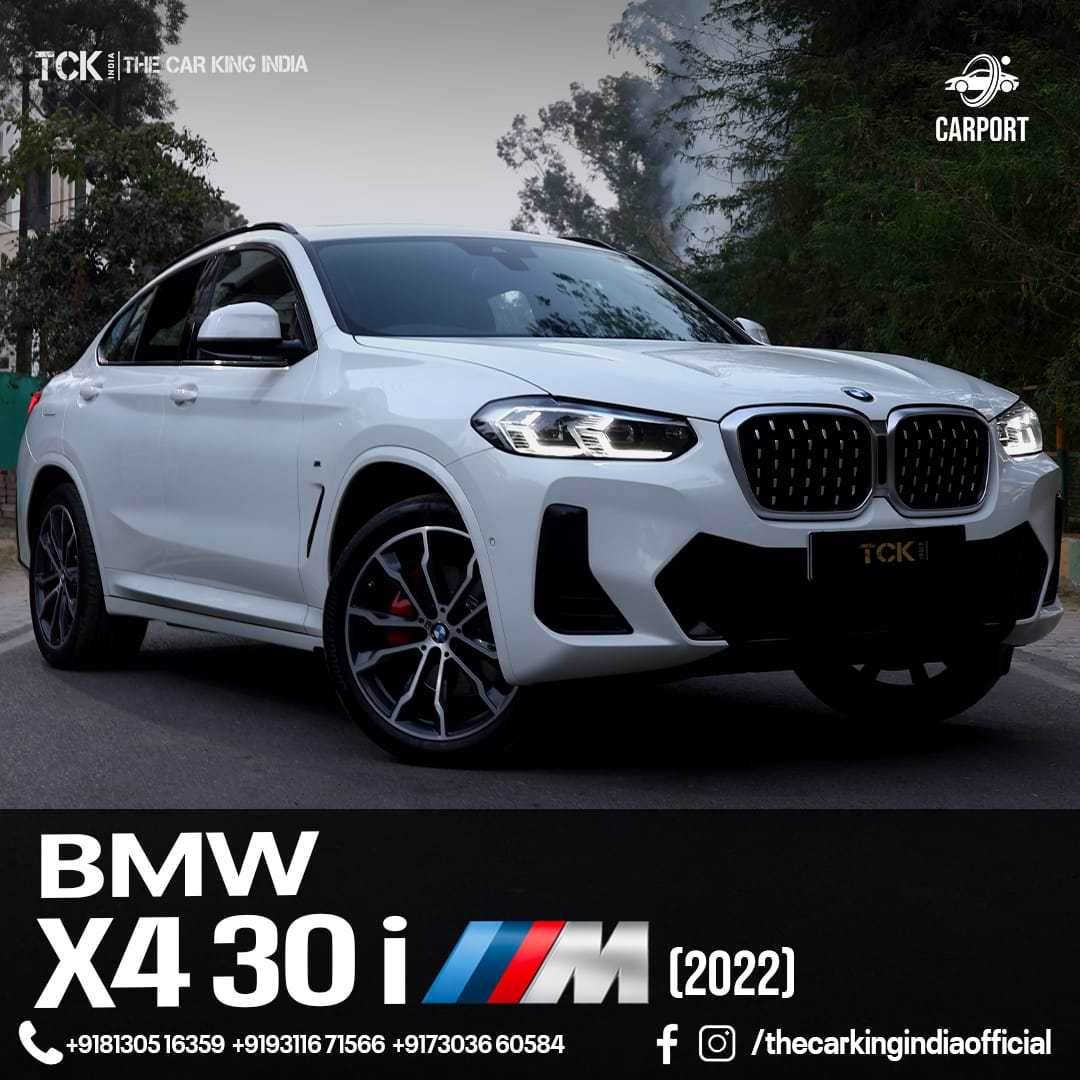
Explore our carefully curated collection of pre-owned BMWs — from the sporty 3 Series to the commanding X5 — all verified, inspected, and ready to drive home.